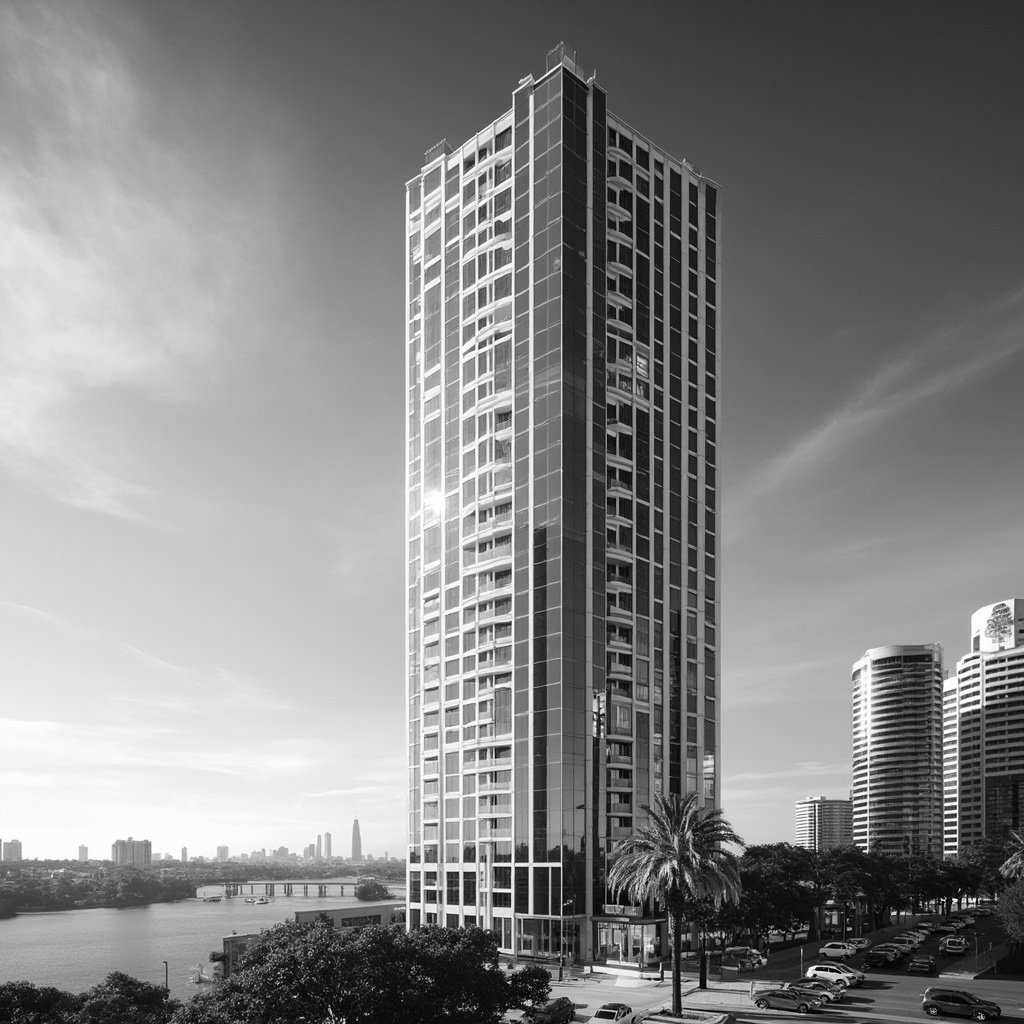
Build-to-rent (BTR) is the structural change in the Australian rental market that traditional investors are still underestimating. 2026 is the year the pipeline starts to deliver in volume. Here's what's actually happening and where it changes your investor strategy.
The 2026 pipeline by city
Approximately 18,000 BTR units will be delivered or under-construction in 2026:
- Melbourne: ~7,200 units. Concentrated in Docklands, Fishermans Bend, Box Hill, Footscray, Caulfield East.
- Sydney: ~5,800 units. Mascot, Olympic Park, Macquarie Park, Liverpool, Parramatta.
- Brisbane: ~3,100 units. South Brisbane, Newstead, Toowong.
- Perth and Adelaide: ~1,400 units combined. Smaller programs concentrated CBD-adjacent.
The institutional landlords driving this include Mirvac LIV, Greystar Australia, Stockland Halcyon, Local Residential, and Investa.
What BTR actually looks like in practice
A typical BTR building is 200-500 units, professionally managed, single-owner, with amenity (gym, co-working, pet park, package room, concierge). Lease terms are flexible (often 6, 12, 24, 36 months) and pets are typically allowed under standardised policy.
Rents in a BTR building are usually 5-10% above the comparable suburb median, but that premium buys: longer lease security, professional maintenance response, easy mid-tenancy moves between units, and no agent-tenant friction.
Where BTR competes with you, and where it does not
BTR directly competes for:
- High-income knowledge-worker tenants (the ones who care about the gym and the parcel room)
- Tenants planning 2-3 year urban stays
- Professional couples without kids
- International executives on relocation
If your property is a 2-bedroom apartment in Docklands or South Brisbane and you've been targeting that demographic, BTR is the new ceiling on what you can charge.
BTR does not compete for:
- Family households needing a backyard. BTR is 95% apartment / townhouse stock.
- Older tenants who specifically want a non-institutional landlord.
- Pet-heavy households (BTR allows pets but with strict policies; private landlords can be flexible).
- Established suburb tenants who don't want to live in a high-rise.
- Lower-rent stock outside major capitals.
What the data shows in suburbs with BTR
CoreLogic's analysis of suburbs where BTR has had 18+ months of delivery (Docklands, Box Hill, Mascot):
- Median apartment rent growth: -1.2% relative to comparable non-BTR suburbs in the same year.
- Vacancy rates: +0.4 percentage points relative to comparable suburbs.
- House rent growth: unchanged.
In other words, BTR delivery softens apartment rents in the immediate area, leaves house rents unaffected, and accounts for a small but measurable lift in local vacancy.
What this means for your investor strategy
If you own apartments in BTR-heavy zones
- Recalibrate yield expectations down by 3-5% for properties less than 1.5 km from completed BTR towers.
- Compete on what BTR doesn't offer: pet flexibility, longer lease commitment, lower rent, family-friendliness.
- Consider exit if your cap rate has compressed below 4%. The structural headwind is real.
If you own houses anywhere
- No immediate impact. BTR delivery is overwhelmingly apartments.
- House stock in middle-ring suburbs remains the most defensible private-investor asset class.
If you're acquiring in 2026
- Avoid apartment stock within 1.5 km of a confirmed BTR project unless you're buying at distressed prices.
- Mid-density (townhouses, 4-pack units) in growth corridors is the cleanest white space , too small for BTR developers, large enough to deliver real yield.
- Houses in family-suburb middle ring continue to be the strongest defensive play.
The structural backdrop
BTR is institutional capital betting that the structural demand for rental in Australian cities is permanent. It's a vote of confidence in the *category* even as it disrupts a piece of the existing market. Traditional landlords who own the right stock in the right suburbs are not threatened by this , they're operating in the same long structural tailwind.
Where landlords get hurt is owning the *exact stock* the BTR pipeline targets, in the *exact suburbs* the pipeline targets, at the *exact yields* the BTR proforma is built on. Avoid that overlap and the BTR wave is someone else's problem.
If you'd like a portfolio-level review of where your properties sit relative to the 2026 BTR pipeline, our team can map your exposure and flag the units we'd be selling, holding, or repositioning. Get in touch for a free portfolio review.